Fact Check
How to Find An Adjustable Dog Collar That’s Right For Your Best Friend
If you were to ask me which dog gear is the most underrated, I’d answer without hesitation: adjustable dog collar. When I got my first dog, I looked at collars like I do any other accessory pick a color, pick a size, and done. But after spending years walking, training and caring for many breeds of dog I became convinced that opting for the correct adjustable collar can make a huge difference to both comfort, safety and control and chose to design an improved version myself.
I hope to guide you through all the knowledge about adjustable dog collars that I’ve picked up along the way of what’s important, and what isn’t, and how to select just the right one for your dogs size, lifestyle and behavior. Whether you are a first-time dog owner or in the market for an upgrade, this article will break it down and leave you comfortable making your choice.
Things that are Different About Adjustable Dog Collar
An adjustable dog collar merely allows you to alter the size of your pet’s collar for a customized fit. That by itself is helpful, but actually then adjustability solves a number of real-world problems I’ve discovered:
- Dogs put on and take off weight throughout their lives.
- In no time at all, puppies grow up.
- Thick-coated breeds need seasonal changes.
- Various activities call for slightly varied fits.
A properly fitting adjustable collar accommodates all of these and ensures your dog is safe and comfortable.
5 Reasons Why Fit Matters More Than Style
I’ve learned that just because you love the look of a cute collar with a bow tie or some kisses on it doesn’t mean it’s going to be comfortable enough (or secure enough) for whoever is wearing it. A well-fitted collar, as defined by the AKC, will be loose enough to slide two fingers under the collar and your dog’s neck comfortably.
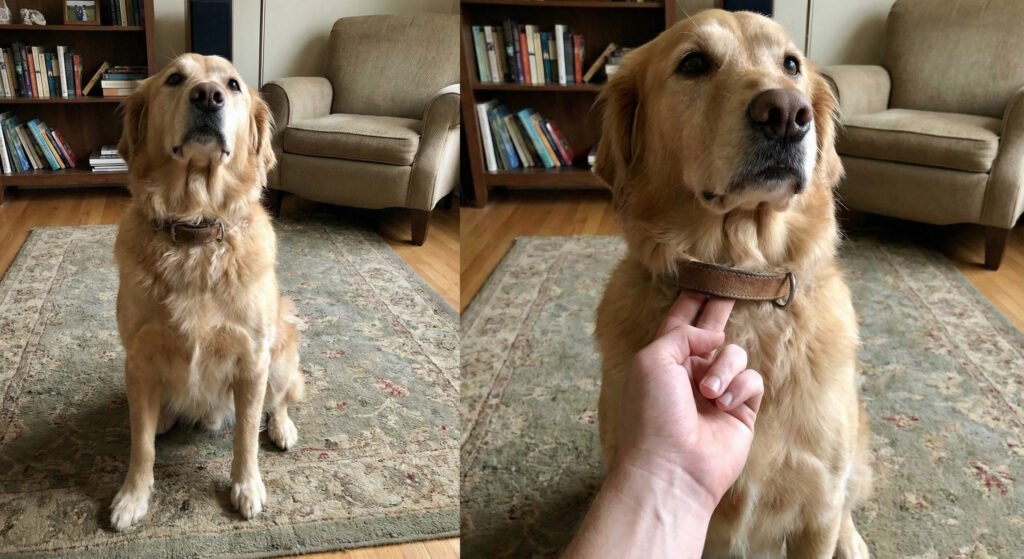
Here’s why getting the right size is key
- Prevents choking or skin irritation
- Prevents your dog from falling out
- Ensures better leash control
- Improves comfort during long wear
A loose collar is as dangerous as a tight one. If your dog’s size or coat changes, adjustable collars allow you to fine-tune the fit.
The Perfect Collar Fit: How to Measure Your Dog for A Custom Fitted Collar
It is here that a lot of dog owners make mistakes (I did as well when I first started).
Step-by-Step Guide to Measuring
- Grab a flexible tape measure (or piece of string that you can measure with a rigid tape).
- Wrap around the bottom of your dog’s neck.
- Add 1-2 inches for size on breed measurements.
- Compare this measurement to the adjustment range of a collar.
- Explore Measure Once and Fits Right guide to learn how to measure dog neck properly to fit collar perfectly.
Common Fit Mistakes to Avoid
- Lift too high on the neck
- Forgetting That Harnesses and Collars Fit Differently
- Not accounting for fluffy coats
- Opting for a “collar they’ll grow into.”
- A well fitted collar must hold securely without drawing or choking.
Types of Adjustable Dog Collars
Not all collars adjust the same, and different designs are used for different purposes.
Flat Adjustable Collars
These are the ones that are most popular and the ones I use on a daily basis. See Adjustable Dog Collars for Large Dogs and brocia’s best picks.
- Ideal for: Everyday use, ID tags, simple leash walking
- Pros: Comfortable, secure, effortless, very adjustable
- Cons: Not for strong pullers
Martingale Adjustable Collars
Made to cinch loosely when a dog tugs, but won’t choke.
- Ideal for: Greyhounds, rescue dogs, Houdini hounds
- Pros: Keeps overcome so no slipping, tightening is mild
- Cons: Not ideal for independent wear
Quick-Release Adjustable Collars
Easy on, easy off.
- Best for: Households with activity, dogs who don’t want to try on clothes for too long
- Pros: Fast release for emergencies
- Cons: Buckles vary in durability
Heavy-Duty Adjustable Collars
These are great for strong, large breeds.
- Great for: German Shepherds, Huskies, Rottweilers
- Pros: Sturdy buckles, reinforced stitching
- Cons: Slightly heavier
Reflective or LED Adjustable Collars
If you also, like me, walk your dog at night these are lifesavers.
- Best for: Low-light strolls, camping, country locations
- Pros: Increases visibility and safety
- Cons: Battery maintenance for LED models
Materials Matter: What Your Dog’s Collar Is Made Of
These are the collars that I’ve bought and tried most every type of material out there:
Nylon
- Hard-wearing, inexpensive and swimsuit wash-friendly.
- Why I like it: It’s lightweight and fits easily.
- Neoprene-Padded Nylon
- Adds extra comfort.
Why I recommend it for sensitive dogs: Great for keeping irritation away.
Leather
- Classic, strong, and long-lasting.
- Downside: It needs to be lubed up every now and then (sounds like a delightful excuse).
Biothane
- Waterproof and odor-resistant.
- Why I use it for rainy-day walks: It’s not absorbent and doesn’t stink.
Must-Have Features For Adjustable Collars
The following are attributes I always try to find:
Durable Hardware
Heavy-duty buckles and D-rings help to prevent breaks when you least expect it.
Smooth Adjustment Mechanism
The adjuster should not loosen on its own or slip during movement.
Reflective Stitching
For night safety this is crucial in my opinion.
Breakaway Mechanism (optional)
Excellent for cats, small dogs or multi-pet homes.
Non-irritating Edges
A harness should not chafe or mat.
The Impact of Behavior and Breed on What Collar to Choose
Not all dogs actually need the same features.
For Strong Pullers choose:
- Heavy-duty adjustable collar
- Wide strap
- Metal hardware
For Puppies look for:
- Soft materials
- Wide adjustment range
- Lightweight buckles
For Small Dogs choose:
- Narrow collars
- Lightweight hardware
- Breakaway or quick-release
For Long-Haired Dogs
- No mats, opt for smooth edges.
Adjustable Dog Collar Vs Harness, which is the best?
It’s generally interchangeable for me, I tend to rely on either as the need arises.
Use a Collar When:
- Your dog is trained
- You’re attaching ID tags
- You’re doing short walks
Use a Harness When:
- Your dog pulls
- You’re training
- You’re going out for longer or on an outdoor adventure
Many experts, including the Humane Society, suggest a collar for identification (even if you’re walking your dog with a harness) and a harness for walking trainees or other dogs that pull on their leashes but adding up to face crunching.
Maintenance: How to Maintain Your Adjustable Collar Clean and Safe
I clean my dog’s collars every two weeks to prevent any dirt build-up that can cause infections.
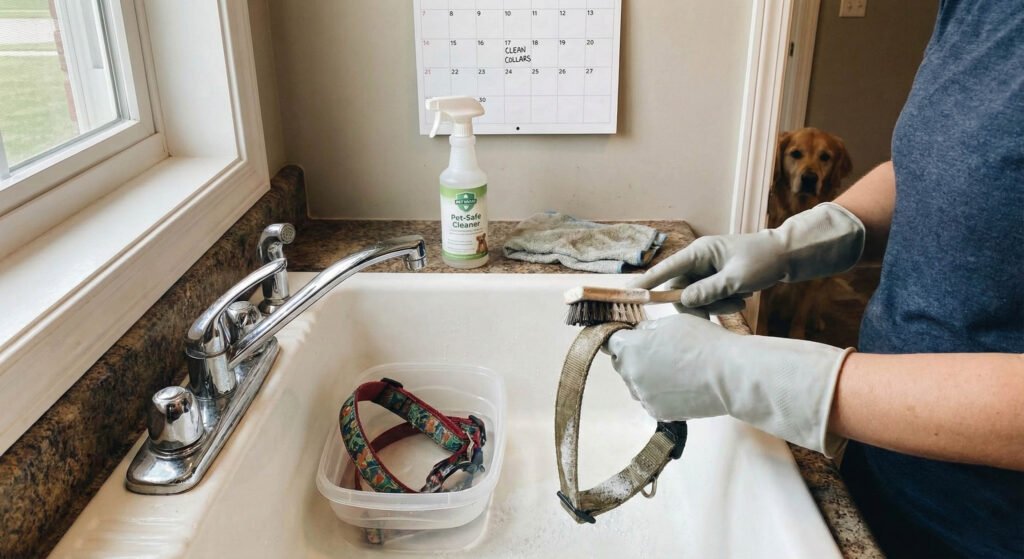
How to Maintain Your Collar
- Hand-wash with mild soap
- Do not use the sun (for leather), let it dry itself in a natural way
- Check stitching regularly
- Replace if you see fraying
- Ensure adjuster still holds tension
Your collar can be used for months to years, depending on how well you care for it.
My Personal Recommendations from First Hand Use
Option for everyday wear: Soft nylon SYNERGY COLLAR ADJ 3/4X14-20 BK.88W For no escape orders using martial quality stainless with steel nose!
- For night safety: Reflective or LED adjustable collar
- For strong breeds: Reinforced Heavy Duty Adjustable collar
- For puppies: Durable nylon with padded lining
And if you seek for premium, comfy and safety-for-pet adjusting dog collar, it’s dog collars suggested by Brocia. They’re built with durability and comfort as a priority, but keep a contemporary style.
FAQs About Adjustable Dog Collars
A Perfect Fit How tight should an adjustable collar be?
Your dog should wear the collar snug enough so that two fingers can fit comfortably between his neck and the collar.
Is it safe for a dog to wear a collar all day?
Yes, but watch for irritation and remove at night if your dog has sensitive skin.
Are adjustable collars safe for my puppy?
Absolutely you just keep reseating them as they grow.
How often do I need to replace a collar?
Once or twice a year depending on wear, fabric and use.
Summary: Selecting The Perfect Adjustable Collar Is About Fit, Comfort & Safety
It may seem that choosing the right adjustable dog collar is simple, and yet after years of trial and error, I’ve realized those little details are what matter most. A correctly fitting, good-feeling collar will keep your dog safe, enhance your control and be comfortable for daily wear.
If you follow the steps I’ve detailed measure properly, know your collar types, prioritize safety features and select based on your dog’s behavior then you should have peace of mind regarding your selection.