
Which Dog Collar Should You Use? A Clear Guide
A flat quick-release (side-release) collar for everyday ID and on/off ease of use; breakaway if you have the snag risk; martingale for the escape artists; and walk on a well-fitted harness,…
A flat quick-release (side-release) collar for everyday ID and on/off ease of use; breakaway if you have the snag risk; martingale for the escape artists; and walk on a well-fitted harness,…
A flat quick-release (side-release) collar for everyday ID and on/off ease of use; breakaway if you have the snag risk; martingale for the escape artists; and walk on a well-fitted harness,…

For the hunting dog, a rapid release leash gets your excited dog out and back just as quick and clean even with gloves on and under tension. Search for one-hand release hardware…
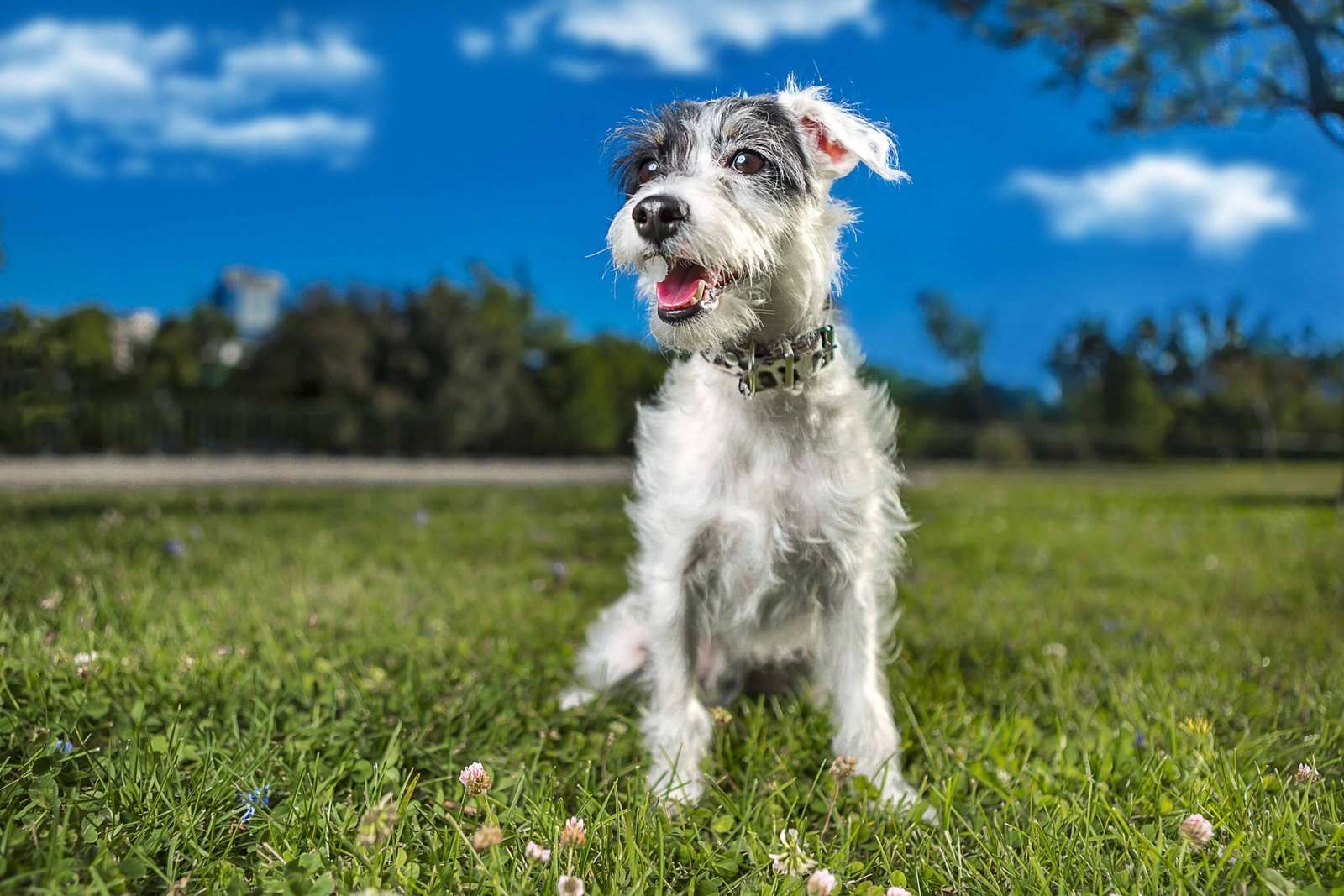
Quick-release harness buckles allow you to gear up and get out the door quickly and also bail out when your day takes a turn. They’re glove-friendly, are terrific for nervous…

Replace the center plate with a quick-release (Clip-style) latch and never again need to fumble around to open/close your collar when you’ve got cold hands that bend links. It’s a…

Most prong collar injuries result from a poor fit, being positioned too low on the neck, or consistent pressure. Stop em using a tight fit (re sized at the links)…
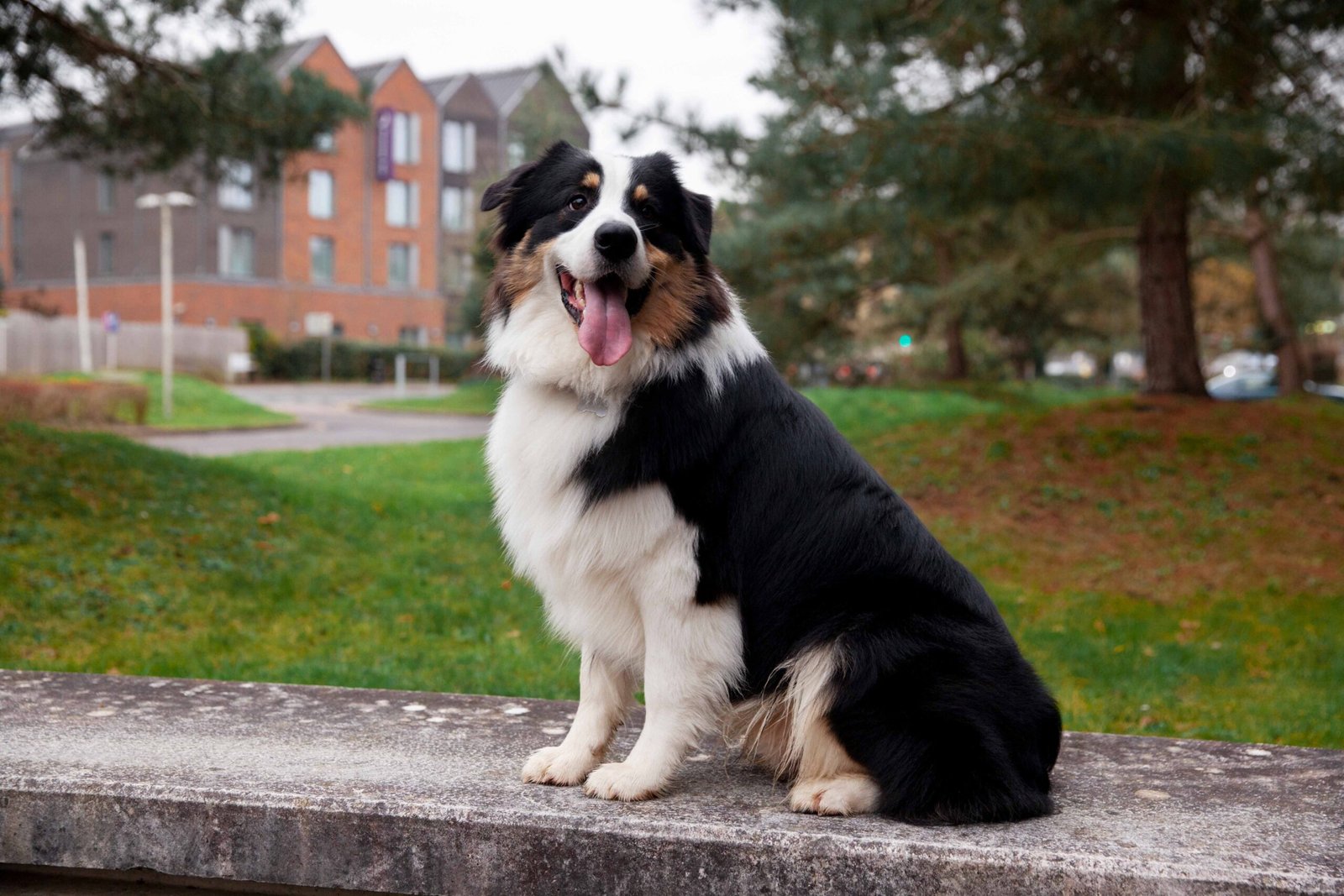
Positive reinforcement (paying the behaviors you want) is the basis of solid training and general good manners. A prong (pinch) collar can be a short, fine-tuned signal high fit and…

Measure your dog’s neck right behind the ears, select chain thickness on the lightest gauge that holds its shape (typically 2.25 mm for small/medium dogs and 3.0-3.2 mm for large…

Go by fit first (high, snug, even), then material (stainless for toughness), gauge (2.25 mm small/precision; 3.0–3.2 mm large/strong), and features (quick-release at thresholds). For daily miles use a front-clip…