Fact Check
Martingale Collar: How They Work, What is it & Sizing Guide
Table of Contents
9FAQs
Martingale Collar A martingale collar is a type of neck-gear that provides more control over the animal without the choking effect of a slip collar. To make sure it fits properly, you should pull it over your dog’s head, placing it high behind the ears and adjust the strap snugly but not too tight so that two fingers can fit side by side underneath. With a gentle pull on the cinch loop, metal to metal should just about touch- not overlap one another and certainly not be apart.
Introduction
If your dog has ever slipped his collar or harness and bolted into danger, you recognize the fear that strikes you in an instant. Martingale collars were designed to prevent precisely that. Our guide explains what a martingale collar is, why it’s recommended by so many trainers and how to fit it correctly for safety and comfort. To see all types of collars -flat,prong and head The Ultimate Guide to Dog Collars may be just what you’re looking for.
What Is a Martingale Collar
“Martingale collars” are a type of collar that tightens when pulled but otherwise only to the point it has been adjusted. It keeps dogs from backing out of their collar without the aggressive tightening of slip collars.
- It consists of:
- A large neck-loop (around the neck).
- A smaller cinch loop with D ring to attach a leash
So when the dog pulls or tries to back out, the cinch loop gently tightens, preventing escape but with a built-in limit so it can’t choke your dog. When you hit the trails at dusk or dawn, throw some LED or Reflective Safety Gear to your martingale setup.
Who Should Use a Martingale
Martingales are particularly useful for:
- ✔️ Sighthounds
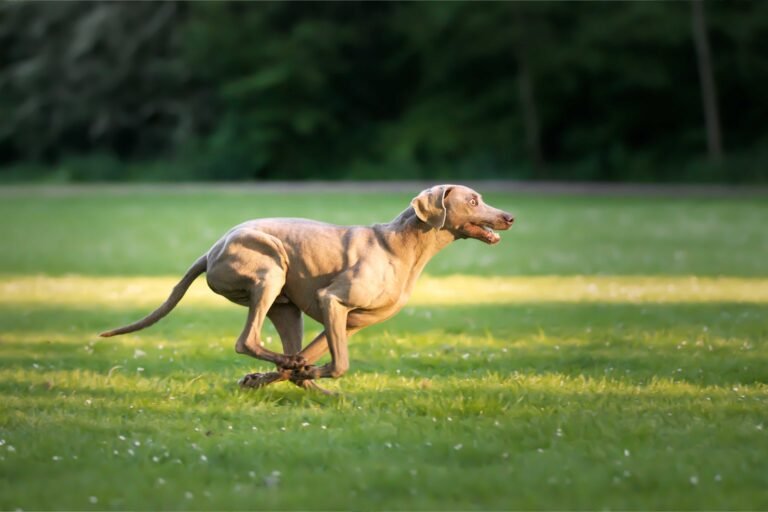
- Greyhounds, whippets, and salukis have heads that are narrower than their necks, rendering traditional collars unsafe use.
- ✔️ Fearful or anxious dogs
- Dogs that startle and back out can get out of a flat collar.
- ✔️ Escape artists
- Some dogs are smart enough to figure out how to slip out — a martingale prevents that naturally.
NOT ideal for heavy pullers
- ❌ Dogs who pull hard might exert too much pressure on the neck with any collar.
- ❌ Use a front-clip harness instead.
Types of Martingale Collars
| Style | Description | Best For |
|---|---|---|
| All‑fabric (non‑buckle) | Single piece of fabric with an adjustable slider. You loosen it to slip over your dog’s head. | Dogs comfortable having collars slipped over their heads. |
| Fabric & chain (non‑buckle) | Same design but with a chain cinch loop. Produces a light sound when tightened. | Dogs whose owners like audible feedback; avoid for noise‑sensitive dogs. |
| All‑fabric (buckled) | Includes a quick‑release buckle. Easier to put on and take off. | Dogs who dislike collars being pulled over their heads or have large ears. |
| Fabric & chain (buckled) | Combines a chain cinch loop with a buckle. | Owners who want both ease of use and audible feedback. |
How to Properly Fit Martingale Dog Collar
1. Loosen & slide over the head
Unsnap the collar so you can slide it over your dog’s head and down around their neck.
2. Position behind the ears
Pull the collar up so it is high on the neck, directly behind the ears this is when a collar is correctly sized and worn for maximum slip prevention!
3. Adjust for the two-finger rule
Close the adjustable strap by tightening the slide where desired, ensuring that the collar remains in place at all times. You should be able to fit two fingers between the collar and your neck without constricting.
4. Test the cinch loop
When your dog lunges, simply tug the D-ring or leash attachment. The two metal (or plastic) hardware pieces of the cinch loop should barely make contact.
- If they do, it’s too loose.
- If they don’t touch each other, you’ve got it too tight.”
5. Check relaxed position
Collar sits mid-neck and doesn’t hang down too low when the leash is slack.
6. Monitor comfort
If your dog coughs, back off slightly and try again.
Safety Tips & Common Mistakes
- Never use a martingale for discipline
- It is not a choker and should not be used to jerk the dog.
- Remove when unsupervised
- All collars can get caught, but a martingale is riskier because of its loop.
- Inspect regularly
- Inspect for evidence of wear on the fabric, stitching and hardware.
- Choose the right style
- Chain martingales are noisy. If your dog is sensitive to noise, you will want to avoid anything but an all-fabric model.
- Measure properly
- Sizing is crucial. Refer to a manufacturer’s guide for precise neck and head sizes.
Martingale vs. Other Collars & Harnesses
Martingale vs Flat Collar
- Martingale: Prevents slipping out
- Flat collar: Safer for regular wear, but note that some very risk-averse dogs can shrink out of a flat collar if they are trying to escape.
Martingale vs Prong Collar
- Martingale: Gentle, limited-slip
- Prong pressure points application -NB must be used only with professional guidance
Martingale vs Harness
- Harness: Best for pullers
- Martingale: Best for preventing escape
Dog owners often put both to use a martingale for secure ID, and a harness for walking.
FAQs
Are martingale collars safe?
Yes, when correctly fitted and used for fall prevention. They should not be used for severe corrections or as a leave-on device.
How tight should a martingale be?
Tighten it just tightly enough for two fingers to fit in between the collar. When securely tightened, the cinch hardware should be touching.
Can puppies use martingales?
Yes, although you should keep checking for fit since puppies grow so fast, a collar that is too tight becomes uncomfortable.
When is it most appropriate to harness?
If your dog pulls hard, has a breathing problem or requires pressure to be taken off of their neck, go with a front-clip harness.
Is it called a martingale (is a martingale) the same thing as a prong collar?
No. A martingale closes gently; a prong collar drives metal links into the dog’s neck with pressure. They function very differently.
Conclusion
Martingale collars are one of the safest and most effective options for dogs that tend to wriggle free from regular collars. The secret is a good fit. It should be high behind your ears, have room for two fingers and meet at the hardware when tightened. Use martingales as a safety tool, don’t leave them on when the dog is home alone and always use positive training methods for best results. For strong pullers or dogs with respiratory concerns, try a Front‑Clip Harness, and see our sidebar of sturdy materials in Dog Collar Materials Compared.