Fact Check
No subscription Dog Trackers: 5 Smart Options
Want a no subscription dog tracker? From smart ID tags to activity meters, here’s how to mix options and skip monthly fees. The costs of GPS collars can quickly add up. But for the tech inclined, there are ways to monitor your pup without the fat monthly bill. Here are five ways (none of which have ongoing fees) to track or find your dog, with different trade-offs. “If you’re considering trackers without monthly fees, it’s helpful to understand how they compare with full-featured GPS collars read verything you need to know about GPS trackers & Collars for Dogs.
One-Time-Purchase GPS Collars (e.g. PitPat)
What is the best dog tracker without subscription? PitPat Dog GPS Tracker (and same level devices) is a GPS collar without a subscription. You pay for the device once (from $200 to $300) and you’re done. PitPat has its own cellular plan built-in; the cost comes from the upfront price. It offers:
Use Case: Great for dogs that stay close, or owners who are willing to glance at an app every once in a while. Great if you just want to know he’s around somewhere (as in: “Oh, Marley’s out in the back field”) and to keep track of his fitness.
Bluetooth Pet Trackers (Apple AirTag, Tile, Chipolo)
If you’re already on a smartphone ecosystem, Bluetooth tags can also help:
Apple AirTag: Battery life ~1 year, super tiny, free (no subscription) with Find My network. Limit: your dog must remain in population centers to ping.
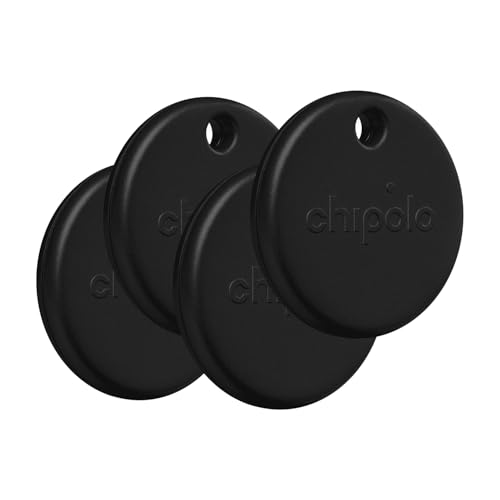
Tile Pro/Mate or Chipolo One Tile Pro has a 400-foot Bluetooth range and operates on the Tile community network to locate tags that are out of your phone’s range. Pros: very loud ring, helpful for finding your dog if they’re nearby; not a sub for regular use. Cons: Bluetooth is still limiting (not in real-time across long distances); depends on random people.
Samsung SmartTag2/Orbit: Same idea, and different design, but same idea. The SmartTag2 employs Samsung’s Galaxy Find Network (similar to Tile but mostly in Asia/Europe). Orbit and others also exist.
Use Case: These are good for small dogs and cats, or an added layer to the mattress just in case. They will not track a fast-running dog far away, reliably, but they may be helpful in a parking lot or neighborhood. They also will not monitor activity, only location.
Radio o Satellite Trackers (No Cell Needed)
Some trackers skip cellular entirely:
Radio Frequency Trackers: Classic dog tracking (commonly used in hunting) such as Garmin Astro or Sport dog. The collar communicates with a handheld receiver that you carry around. No monthly, but limited range (about 5–9 miles line-of-sight). I expect the battery will last ~20 hours. Perfect for forest/hunting, not for consumer everyday use. (And very pricey gear).
- Satellite Messengers: At the other end of the spectrum is a Garmin in reach or Spot Gen4 clipped to a collar. These use Iridium satellite network. No recurring fee if you just want to use the standalone mode, but in fact, yes, you do need a subscription for the two-way messaging & tracking on the phone portion. Not really free.
- Use Case: If you’re in the heart of nowhere, and do a lot of hiking, a radio tracker is dependable and no subscription. They are also bulkier and cost more and require you to carry a receiver, so are primarily used by outdoors enthusiasts.
For devices that also track health and activity, check Best Dog Activity Monitors 2025: Top Dog Fitness Trackers Brocia Recommends.
Microchips and ID Tags (Passive “Tracking”)
Theoretically, these don’t track your pet’s movement actively, but they will help you locate your dog with no additional fee:
Microchip: A small chip injected under your dog’s skin, which is connected to your contact details. It won’t tell you where your dog is, but if Kaiya gets lost and someone takes her to a vet or shelter, they’ll scan her and you’ll be contacted. No subscription, just ensure your chip registration is current.
QR Code Tags: Some collars have a QR code or telephone number which a Good Samaritan can scan/call if they find your dog. No fees. You might get location info on scanning text/email (via the web service handling the qr) held on computer admin.
Use Case: These methods depend on someone finding your dog in the flesh, but they work in addition to GPS. For safety, always leave a collar and microchip on your dog – they work 100% of the time used.
Physical Deterrence & Training (No Tech Required)
Though their heart was in the right place:
- Wireless Electric Fence Collars: Products like Dogtra GPS Fence deliver a warning sound or low static stimulation if your dog goes beyond the bounds you establish. The GPS Fence is simple, initial fixed cost, and there are no monthly GPS fees! It won’t actively track your dog’s position beyond that — it simply trains them to remain on the inside.
- Wired Fence: Buried electric wire fences run around your yard and there are no ongoing costs after installation (aside from electricity). Not a tracker technically but keeps your dog in it.
- Professional Training: With good recall training (comes when called) and supervision, you may not need a tracker at all.
- Use Case: These are not on-the-go tracking solutions. But if your dog spends most of her time in one place (like a yard), a one-time GPS or wired fence can “contain” her without data plans.
Try on of these your dog will thanks you.